
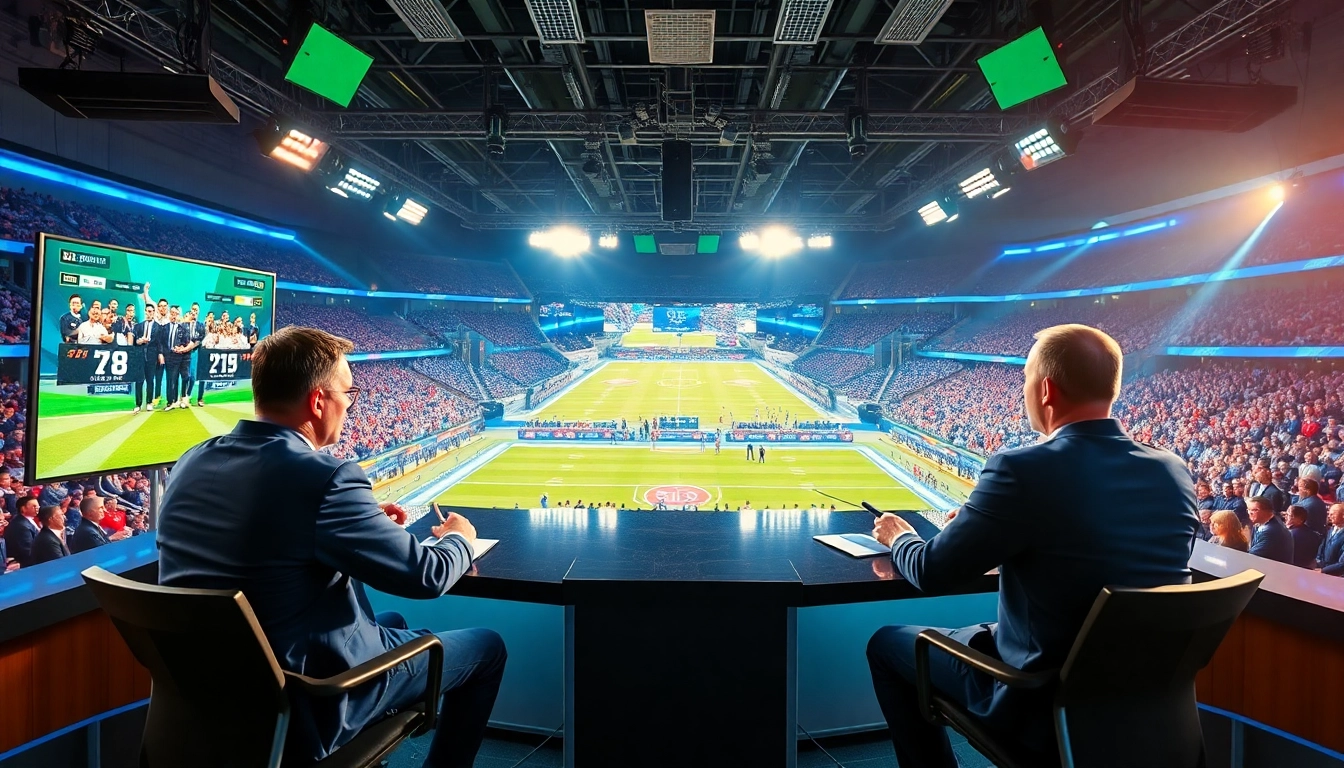
Introduction to Sports Broadcasting
Sports broadcasting is an ever-evolving field that combines entertainment, technology, and storytelling to deliver engaging content to audiences worldwide. It encompasses a wide array of formats and platforms, from traditional television to modern streaming services. Understanding the nuances of Sports Broadcasting is essential for aspiring professionals and enthusiasts alike. With its history rooted in radio broadcasts of live games, sports broadcasting has transformed significantly over the years, adapting to changes in technology and audience preferences.
History and Evolution of Sports Broadcasting
Sports broadcasting began in the early 1920s with radio broadcasts of live sporting events. The first ever broadcasted game was a college football match in 1921, and it marked the beginning of a relationship between sports and mass media that would grow exponentially. In the 1930s, television broadcasts began, which revolutionized the way fans experienced games. By the 1950s, networks began to recognize the revenue potential of sports, leading to dedicated sports broadcasting divisions.
With the rise of cable television in the 1980s, sports broadcasting took on a new form. Networks such as ESPN emerged, providing specialized sports content around the clock. The 21st century saw digital streaming and social media becoming dominant platforms, further diversifying how fans engage with sports. Today, viewers can follow games live, access highlights on social media, and stream exclusive content on demand, indicating an ongoing evolution shaped by technological advancements.
Understanding Different Formats in Sports Broadcasting
Sports broadcasting is not one-size-fits-all; it employs various formats that cater to different audiences. Live broadcasts, recorded highlights, news shows, and analytical programs are some of the predominant formats.
- Live Broadcasts: These are real-time transmissions of sporting events, often accompanied by commentary and graphics to enhance viewer engagement.
- Pre- and Post-Game Shows: These provide context about the event, featuring expert analysis, interviews, and insights into team dynamics.
- Highlight Shows: These programs condense the main event moments into digestible packages, allowing fans to catch up quickly.
- Documentaries and Features: Longer narratives that dive deep into sports history, athletes’ lives, and significant events can attract deeper viewer interest.
Each format serves a purpose and audiences have preferences that determine their viewing habits. Recognizing these formats enhances the strategy of sports broadcasters, allowing them to reach viewers effectively.
Key Players and Roles in the Industry
The sports broadcasting industry involves a myriad of roles and responsibilities. Understanding who the key players are can provide insights into how successfully an event is covered. Critical roles include:
- Producers: They oversee the entire production, coordinating between technical staff, talent, and schedules to ensure smooth broadcasts.
- Commentators/Announcers: These individuals provide play-by-play analysis and maintain viewer engagement through their commentary.
- Cameramen and Technical Crew: Responsible for capturing the action on the field, their work is essential for high-quality broadcasts.
- Editors: They compile footage, create highlight reels, and ensure that the final product is polished for presentation.
Understanding these roles is vital for anyone looking to enter the field or enhance their career within sports broadcasting.
Essential Techniques for Effective Sports Broadcasting
Analyzing Audience Engagement Strategies
Engagement strategies are crucial for effectively reaching sports fans. Broadcasters must analyze their audience’s preferences to tailor content accordingly. High engagement can be fostered through:
- Interactive Content: Polls, Q&A sessions, and fan-driven questions during broadcasts enrich viewer experience.
- Social Media Integration: Utilizing platforms like Twitter and Instagram to share behind-the-scenes content or live tweets can keep fans engaged beyond traditional broadcasts.
- Viewer Feedback: Soliciting feedback can guide the development of future content, with broadcasters adjusting based on viewer preferences.
Employing these techniques can lead to higher satisfaction and loyalty among sports fans.
Utilizing Technology in Sports Broadcasting
Technology plays a pivotal role in revolutionizing and enhancing the sports broadcasting experience. From high-definition cameras to sophisticated graphics packages, technology enables deeper storytelling and viewer immersion. Some notable technologies include:
- Instant Replay Systems: Instant replays provide comprehensive coverage of key moments, often influencing game narratives and viewer discussions.
- Advanced Graphics: Real-time statistics overlays and graphical analysis enhance the viewing experience by providing statistical context.
- Drones: Aerial views provide unique perspectives, adding excitement and creativity to the coverage.
Investing in such technology not only enhances broadcasts but also maintains competitiveness in the evolving marketplace.
Best Practices for Live Commentary
Effective live commentary remains a cornerstone of sports broadcasting. Commentators must strike a balance between providing insightful analysis and maintaining an engaging narrative. Best practices include:
- Preparation: Researching the teams, players, and historical context helps commentators offer valuable insights.
- Brevity: Providing concise and clear updates allows viewers to stay engaged without feeling overwhelmed.
- Emotion: Engaging audiences by reflecting the excitement or gravity of moments is crucial for connection.
Mastering these practices can significantly elevate the quality of sports broadcasts, enhancing viewer experience and retention.
Current Trends in Sports Broadcasting
The Rise of Streaming Services
The emergence of streaming services has transformed how sports are consumed. Viewers can now access content on-demand, with platforms offering exclusive streaming rights for specific leagues or teams. This shift has allowed for:
- Flexible Viewing Options: Audiences can watch games anywhere, anytime, disrupting the traditional TV viewing model.
- Global Reach: Streaming has facilitated the consumption of international sports content, broadening the audience base.
- Subscriber-Based Models: Premium models allow for direct revenue generation from devoted fans.
As this trend continues to grow, traditional broadcasters must adapt to remain relevant in the competitive space of sports broadcasting.
Impact of Social Media on Sports Broadcasting
Social media has dramatically changed the landscape of sports broadcasting by serving as a platform for instant updates, fan interactions, and behind-the-scenes content. The impact includes:
- Real-Time Updates: Fans can receive instant news and highlights, enhancing their connection to live sporting events.
- Community Building: Platforms serve as a hub for fan discussions, strengthening loyalty and engagement.
- Brand Partnerships: Collaborations between teams and social media platforms have opened avenues for sponsored content and advertising.
Understanding and harnessing the power of social media can effectively boost audience interaction and brand loyalty in sports broadcasting.
Emerging Technologies: VR and AR Applications
Virtual Reality (VR) and Augmented Reality (AR) technologies are penetrating the sports broadcasting industry, offering immersive experiences for fans. Key applications include:
- Immersive Viewing: VR allows fans to attend events virtually, creating a unique and engaging experience.
- Interactive Features: AR overlays can provide viewers with real-time stats and insights directly on their devices during live broadcasts.
- Training and Analysis: These technologies enable teams and analysts to evaluate performances in 3D, enhancing training methods and strategies.
Embracing VR and AR technologies could define the future landscape of sports broadcasting, transforming how content is produced and consumed.
Challenges Faced in Sports Broadcasting
Navigating Competition and Market Changes
The sports broadcasting environment is fiercely competitive, with numerous players vying for viewer attention. Changes in market dynamics, such as the rise of new platforms and shifting audience behaviors, pose challenges. To navigate these, broadcasters must:
- Differentiation: Developing unique content and exclusive offerings can help establish a distinctive market presence.
- Strategic Partnerships: Collaborating with tech companies, teams, and leagues can extend reach and improve offerings.
Adapting business models to remain flexible and competitive is essential for long-term success in sports broadcasting.
Ensuring Compliance and Ethical Broadcasting
Maintaining compliance with regulatory standards and broadcasting ethics is critical. Issues such as copyrighted content, viewer privacy, and fair advertising practices must be navigated carefully. Best practices include:
- Awareness of Regulations: Keeping updated on laws regarding media content helps prevent legal challenges.
- Transparent Practices: Being open with viewers about sponsorships and partnerships maintains integrity.
By prioritizing ethical standards, broadcasters can build and maintain trust with their audience.
Mitigating Technical Issues During Live Events
Technical failures can lead to disastrous live sports broadcasts, resulting in viewer dissatisfaction and damage to reputation. To minimize such risks, broadcasters can:
- Invest in Reliable Technology: Utilizing high-quality equipment that undergoes regular checks ensures reliability.
- Have Contingency Plans: Preparing backup systems and protocols can help quickly resolve unforeseen issues during live broadcasts.
Implementing these strategies can enhance reliability and improve overall viewer satisfaction during live events.
Future of Sports Broadcasting
Predictions for the Next Decade in Sports Broadcasting
As technology continues to advance, the landscape of sports broadcasting will undoubtedly evolve. Predictions for the next decade highlight:
- Personalization: Future broadcasts will likely offer highly personalized content tailored to individual fan preferences.
- Enhanced Engagement: Interactive features, such as live polls during games, may become standard in broadcasts.
- More Diverse Platforms: Emergence of new platforms that cater to niche audiences may further redefine consumption habits.
Foreseeing these trends will help broadcasters adapt and innovate for a competitive edge.
Preparing for Changes in Audience Preferences
Understanding and accommodating shifting audience preferences is crucial for broadcasters. Engaging younger generations, who often have different content consumption habits, means:
- Utilizing Social Platforms: Breaking content into shorter clips suitable for platforms like TikTok and Instagram can capture younger viewers’ attention.
- Focusing on Experience: Offering enhanced viewing experiences through technologies like VR can attract new audiences.
By aligning with evolving preferences, sports broadcasters can strategically position themselves for success.
Investing in New Technologies for Broadcasting
Investing in new technology is vital for remaining competitive in sports broadcasting. Technologies worth considering include:
- AI and Machine Learning: These can help in automating highlights and understanding viewer preferences based on analytics.
- 5G Technology: Increased connectivity can enhance streaming quality and audience interaction.
Embracing and investing in these innovations will ensure that broadcasters remain at the cutting edge of industry developments.
Frequently Asked Questions
What is sports broadcasting?
Sports broadcasting refers to the dissemination of live or recorded sports events through various media platforms, including television, radio, and online streaming services.
How has technology changed sports broadcasting?
Technology has enhanced sports broadcasting through high-definition visuals, instant replay systems, and real-time statistics, providing richer experiences for viewers.
What are the primary formats in sports broadcasting?
The primary formats include live broadcasts, pre- and post-game shows, highlight reels, and in-depth documentaries about sports and athletes.
Why is audience engagement important in sports broadcasting?
Audience engagement is crucial as it fosters loyalty, encourages viewer interaction, and ultimately helps broadcasters retain and grow their fan base.
What future trends can we expect in sports broadcasting?
In the future, we can expect personalization of content, increased interactivity, and the integration of emerging technologies such as VR and AI to revolutionize sports viewing.